Wasp and hornet infestations can pose serious risks to your safety and comfort at home. In Kalispell, understanding how to effectively manage these pests is crucial for maintaining a safe living environment. This article provides practical tips on identifying, preventing, and safely removing wasps and hornets.
Understanding wasps and hornets
Wasps and hornets are social insects that can become aggressive when their nests are disturbed. They play a role in the ecosystem by controlling pest populations, but their stings can be painful and even dangerous, especially for allergic individuals. Knowing the difference between these insects can help you manage them effectively.
Common wasp and hornet species in Kalispell
In Kalispell, you may encounter several species of wasps and hornets, including:
- Yellow Jackets: Often mistaken for bees, these wasps are known for their aggressive behavior and distinctive black and yellow coloring.
- Bald-faced Hornets: Recognizable by their white markings, these hornets build aerial nests and can be highly territorial.
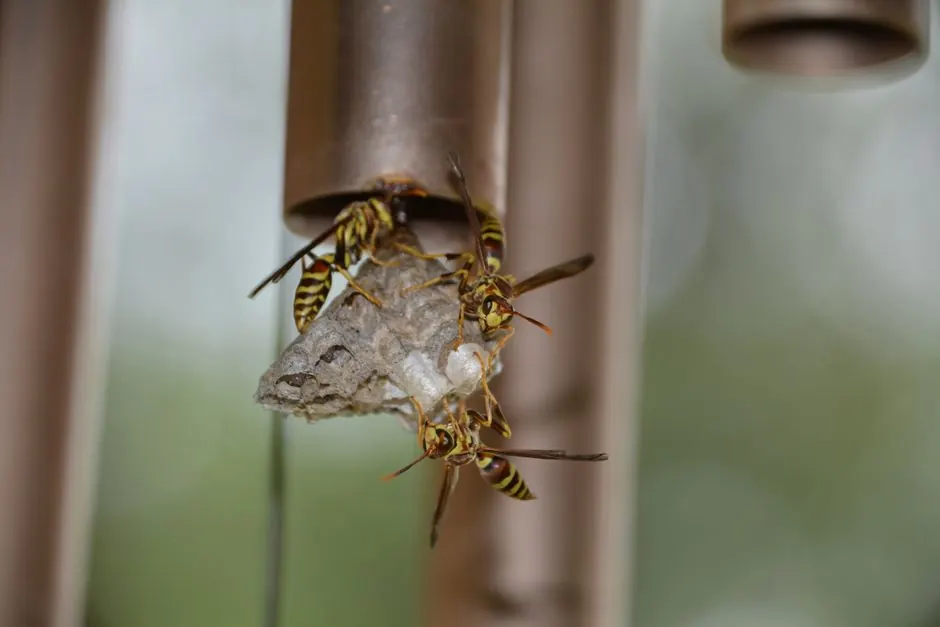
- Paper Wasps: These wasps create umbrella-shaped nests and are generally less aggressive unless provoked.
Understanding these species can help you identify potential threats around your home.
Signs of a wasp or hornet infestation
Early detection is key to managing wasp and hornet problems. Look for the following signs:
- Increased insect activity, especially in late summer.
- Nests in sheltered areas like eaves, attics, or trees.
- Visible wasps or hornets entering and exiting a specific location.
If you notice these signs, it's important to take action quickly to prevent larger infestations.
Preventative measures
Preventing wasps and hornets from taking up residence near your home is essential. Here are effective strategies:
- Seal cracks and crevices in your home's exterior.
- Keep food and garbage tightly sealed, especially during outdoor activities.
- Regularly inspect your property for early signs of nests.
- Consider using traps to reduce the wasp population in your yard.
Implementing these measures can significantly reduce the likelihood of an infestation.
Safe removal methods
If you find a nest, it's crucial to approach removal safely. Here are some methods:
- For small nests, you can use a vacuum with a specialized attachment to remove the insects.
- Spray insecticidal foam or powder directly at night when the wasps are less active.
- Wear protective clothing and avoid swatting at the insects, as this can provoke them.
For larger nests or if you're unsure, consider hiring a professional for Wasp & Hornet Control in Montana.
Common mistakes to avoid
While dealing with wasps and hornets, it's easy to make mistakes that could worsen the situation:
- Attempting to remove nests during the day when insects are most active.
- Using homemade traps or sprays that may not be effective.
- Ignoring early signs of infestations, which can lead to larger problems.
Avoiding these missteps can help you manage wasp and hornet issues more effectively.
When to call a professional
If you're facing a significant infestation or are allergic to stings, it's wise to call a professional. Montana Pest Pros specializes in Pest Control in Kalispell and can safely handle wasp and hornet removal. Our experts are trained to deal with these pests effectively, ensuring your safety and peace of mind.
Frequently Asked Questions
What attracts wasps and hornets?
Wasps and hornets are attracted to food sources, particularly sugary substances and protein-rich foods. Keeping outdoor food covered can help deter them.
How can I tell if the nest is active?
Active nests will have frequent insect activity, especially during the day. If you see wasps coming and going consistently, the nest is likely active.
Can I remove a nest myself?
While small nests can be removed with caution, it's best to consult professionals for larger nests or if you're unsure about safety.
How do I prevent wasps from returning?
Implementing preventative measures such as sealing entry points and managing food waste can significantly reduce the chances of wasps returning.
What should I do if I get stung?
For minor stings, clean the area and apply a cold pack. If you have a severe reaction, seek medical attention immediately.